Buy this exact design
Can You Legally Sell Anime Merch? Original Designs Only — ready to ship
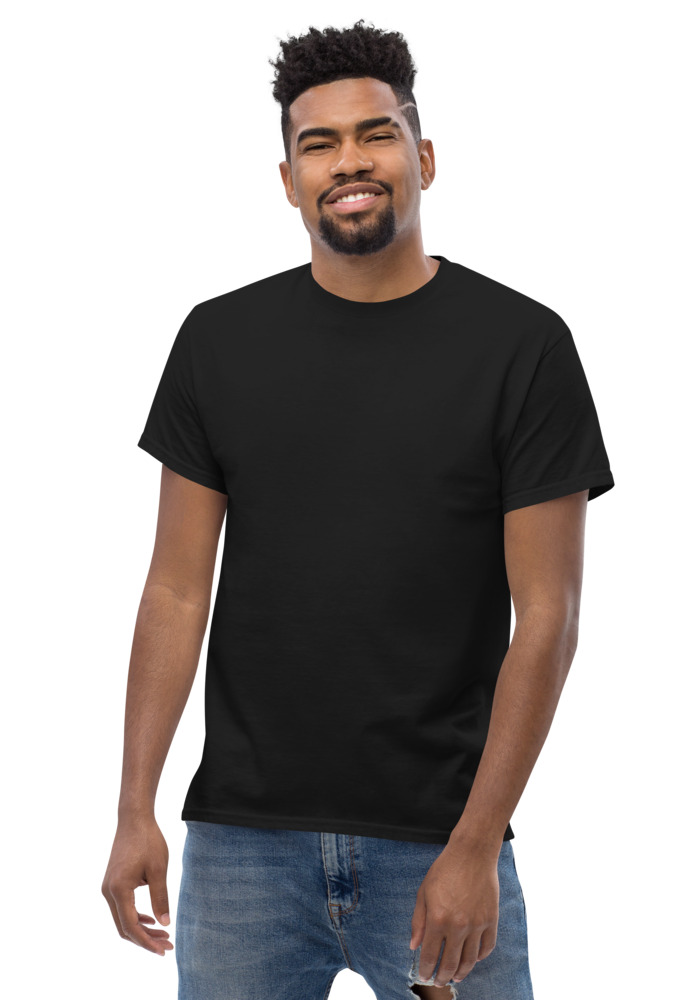
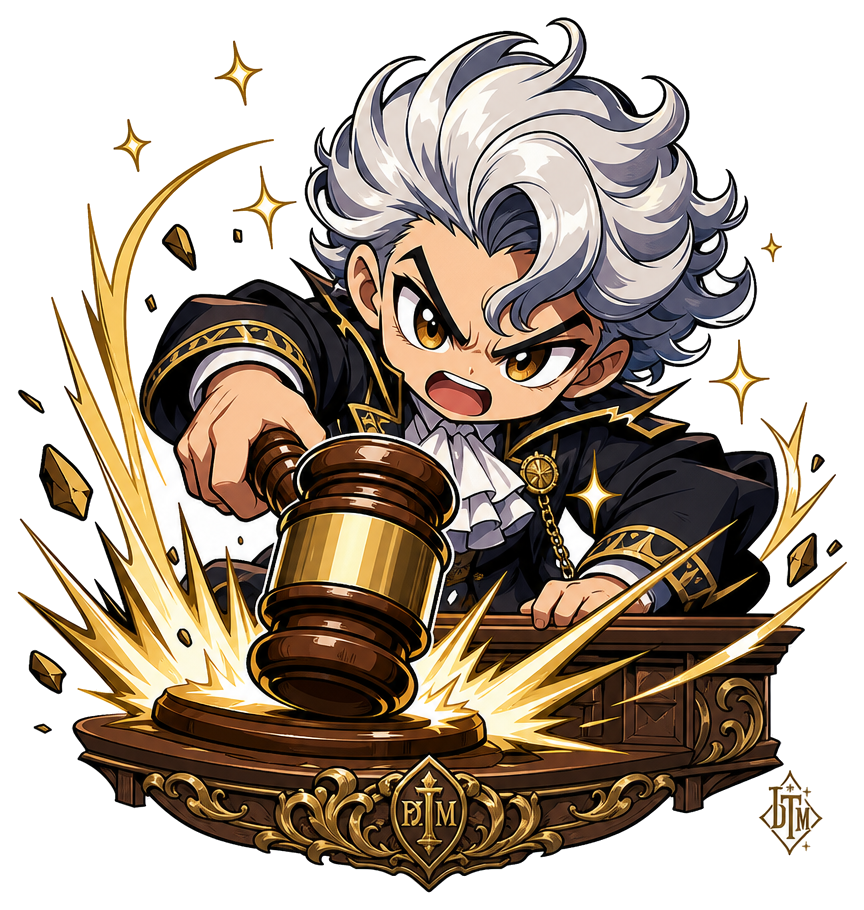
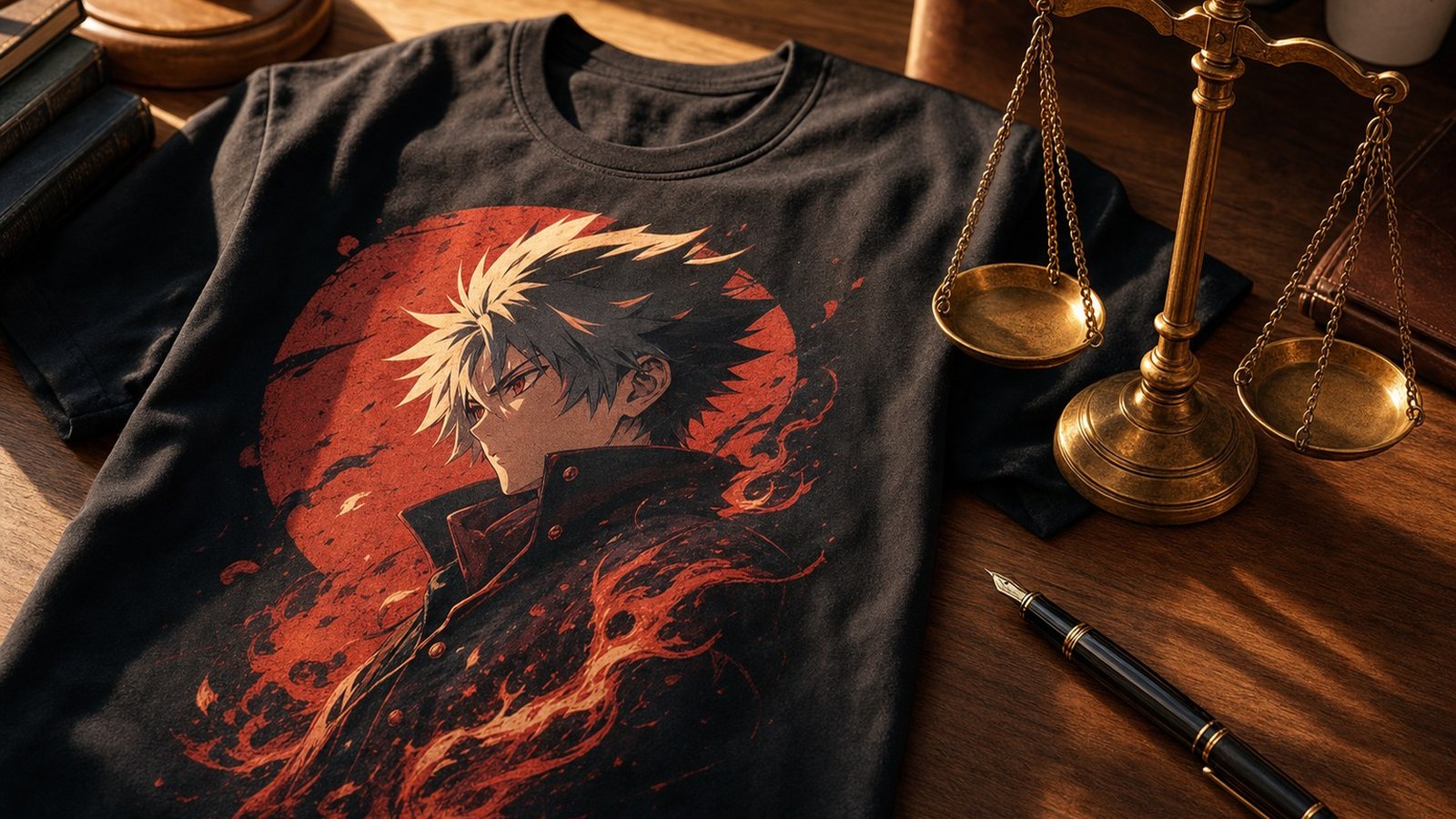
Preview · your design on a Black tee — the real blank
Ships in 5–9 days · Pay-in-4 available for eligible US orders at checkout
Design it right now
Classic Tee — with YOUR design on it
Upload art, type text, or let the AI design it — live preview, no minimums, from $24.99.
🎨 Put my design on this →
This design, ready to go
Get it on the Classic Tee — $24.99
Opens in the builder with this design placed — buy as-is, tweak the text, or swap the garment.
🛒 Customize & order this →Split eligible US orders into 4 interest-free payments with Shop Pay · No minimums · Ships in 5–9 days
Gildan 5000 · 100% cotton · 5.0–5.3 oz/yd² (170-180 g/m²) · blank sourced from Honduras · printed in the USA network · ships 5–9 days
Straight answer, because this question deserves one: selling merch with existing anime characters on it — any character from any published series — is copyright infringement, whether you drew it yourself, traced it, or generated it with AI. Selling ORIGINAL anime-style characters and designs you created is completely legal, because the anime style itself isn't owned by anyone. That's the whole line. Everything below is what it means in practice. Ready to order? t-shirt maker, real shirts with no minimum.
Why fan-art merch is infringement, even if you drew it
Copyright protects characters, not just specific images. When you draw a famous protagonist in your own style, the drawing is yours but the character isn't — and selling it commercially is exactly the use copyright law reserves for the rights holder. Trademark stacks on top: series names and logos are registered marks. "Everyone on Etsy does it" isn't a defense; it's a queue. Enforcement comes in waves of takedowns, store closures, and — for print-on-demand sellers — frozen payouts. Fair use won't save a commercial shirt sale either; courts treat merch as the least sympathetic category there is.
What about AI-generated fan art?
Same answer, and this trips up a lot of new AI creators: the tool doesn't change the character's ownership. An AI image of a famous ninja or a scarlet witch is still a depiction of protected IP, and "the AI made it" carries zero legal weight. If the output is recognizably an existing character — even restyled, even renamed — it's infringing merch. This is why our checkout guard doesn't care how a design was made, only what it depicts.
What you CAN sell, freely
- Original characters — a heroine, mecha, or mascot you invented. You own her completely.
- Anime-STYLE designs — cel shading, manga panel layouts, chibi proportions, Japanese-typography aesthetics. Style is not copyrightable; the entire anime look is open to you.
- Your channel's own universe — if you run an anime YouTube channel with original characters, that's a merch line waiting; see merch for anime YouTube channels.
- Original text and quotes — your words in an anime-inspired treatment (generic phrases, not series catchphrases or names).
How DTM enforces the line — and why that's good for you
We blanket-ban existing anime, celebrity, athlete, and team IP. The free AI design studio nudges prompts away from protected characters, and an IP guard at checkout holds orders that depict them anyway. That's not us being cautious for our own sake — it's the difference between a merch line that can run for years and one takedown notice away from a frozen store. Sellers who build on IP they don't own are building on rented land with an eviction clause.
The productive move: create the thing you own
Here's where this stops being a "no" article. The same hour you'd spend making infringing fan art can produce an original anime-style character that is 100% yours. Describe her in the AI design studio — hair, eyes, outfit, energy, palette — 10 free designs a month, no sign-up, print-ready with a transparent background. Then she goes on a tee at $24.99 or a hoodie from $31, no minimums, printed per order. Shop Pay pay-in-4 may be available for eligible US orders at checkout. If she lands, she's not just a shirt — she's the seed of a brand, which is the whole premise of starting an anime clothing brand. Gaming creators face the identical line with game IP — same rule, same answer: build your brand, not someone else's.
See the merch in real life
Real garments, printed and embroidered to order.
Frequently asked questions
Is it legal to sell anime merch with existing characters?
No — characters from published anime are protected by copyright (and series names and logos by trademark). Selling merch that depicts them is infringement whether you drew it, traced it, or generated it with AI, and it gets blocked at our checkout.
Why do Etsy sellers seem to get away with selling anime fan art?
Temporarily. Enforcement comes in waves — takedowns, store closures, frozen payouts. A visible-but-unenforced-today shop isn't a legal precedent; it's a store that hasn't been in a takedown wave yet.
Is AI-generated anime fan art legal to sell?
No — the tool doesn't change ownership of the character. If the output recognizably depicts an existing anime character, even restyled or renamed, it's still infringing merch. Original AI-generated characters, by contrast, are fine to sell.
Can I sell anime-STYLE designs?
Yes — art styles aren't copyrightable. Cel shading, manga aesthetics, chibi proportions, and Japanese-typography looks are all open. What's protected is specific characters, names, and logos — invent your own and the entire style is yours to use commercially.
How does DreamToMerch handle anime IP?
Blanket ban on existing anime, celebrity, and team IP: the AI design studio steers prompts away from protected characters, and an IP guard at checkout holds infringing designs. Original characters and original anime-style art sail through.
What happens if you get a DMCA takedown for anime merch?
The platform removes the listing first and asks questions later, since marketplaces like Etsy are legally required to act on takedown notices. Strikes accumulate, and some platforms will suspend or permanently close a shop on the first or second copyright complaint, taking your reviews and sales history with it. Beyond the platform, the rights holder can pursue actual legal action, and statutory damages for willful infringement can reach six figures per work, which is why building on original art is the only stable foundation.
Do anime studios actually enforce copyright against small sellers?
Increasingly, yes. Major rights holders and their licensing agents run automated sweeps of Etsy, Amazon, and social marketplaces and issue takedowns in bulk, so being small no longer means being invisible. Convention artist alleys historically got informal tolerance, but online listings are indexed, searchable, and easy to mass-report. Enforcement is inconsistent, which fools sellers into thinking it is safe, right up until the wave of takedowns hits their category.
Can I get an official license to sell anime merchandise?
Licenses exist, but they are realistically out of reach for small sellers: rights holders negotiate with established companies, expect significant minimum guarantees, and control every product through approval processes. A few properties run limited fan-licensing or print programs, but they are the exception. For an independent creator, the practical path is original anime-style work you own outright, which needs no one's permission and builds equity in your own brand instead of someone else's.
Is selling fan art legal if I barely make any money from it?
No, scale changes the enforcement odds, not the legality. Copyright infringement does not have a revenue threshold, so selling three shirts infringes the same way selling three thousand does; small sellers just attract fewer takedowns. That distinction matters because you cannot build anything durable on it, since one automated sweep can erase the shop regardless of size. Treating low sales as a legal shield is the most common misconception in the fan-merch world.
Can I put anime quotes or character names on merch?
It is riskier than people assume. Character names and signature phrases are frequently protected as trademarks in addition to copyright, and rights holders police name-drops on merchandise because they function as brand identifiers. Generic Japanese words or broad genre phrases are fine, but a recognizable character name is effectively the same bet as using the character art. Writing your own catchphrases in an anime aesthetic gives you the vibe without inheriting someone else's legal claim.
Design it right now
Classic Tee — with YOUR design on it
Upload art, type text, or let the AI design it — live preview, no minimums, from $24.99.
🎨 Put my design on this →This design, ready to go
Get it on the Classic Tee — $24.99
Opens in the builder with this design placed — buy as-is, tweak the text, or swap the garment.
🛒 Customize & order this →Split eligible US orders into 4 interest-free payments with Shop Pay · No minimums · Ships in 5–9 days
Or start with the art: free AI design tool + all free tools →