Buy this exact design
How We Price Custom Merch: An Honest Breakdown — ready to ship
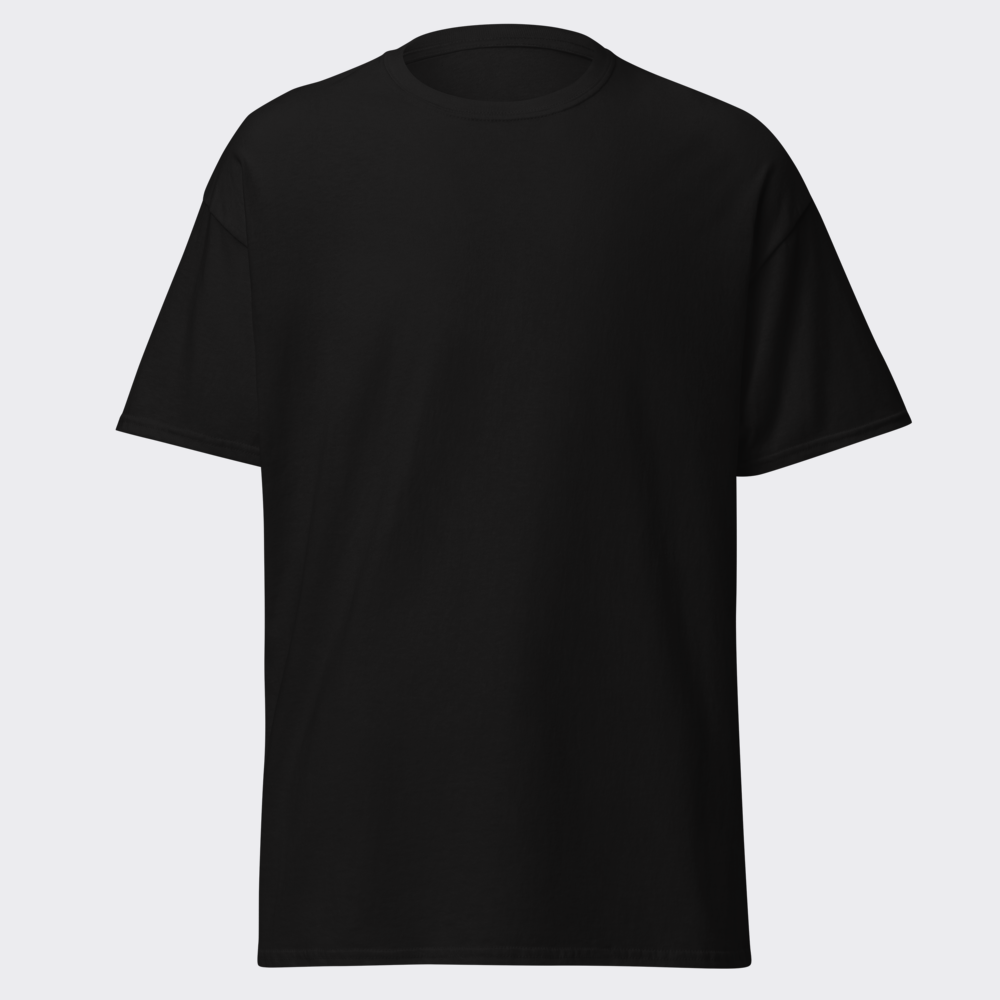
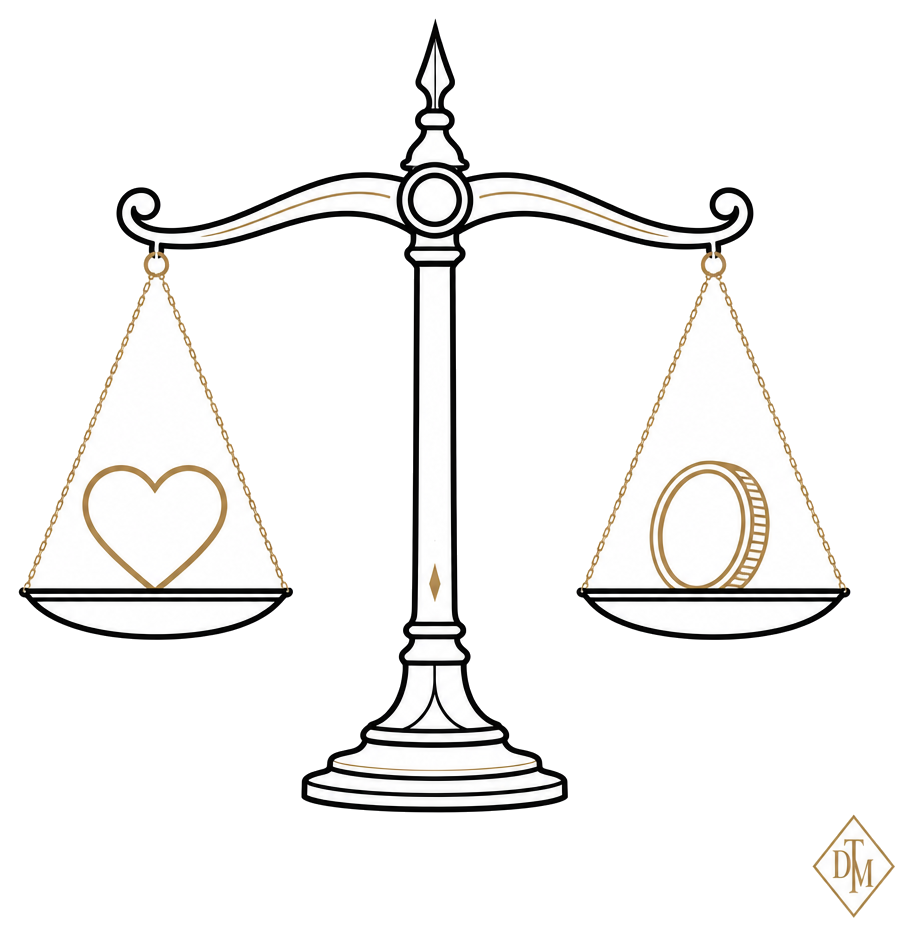
Preview · your design on a Black shirt — the real blank
Ships in 5–9 days · Pay-in-4 available for eligible US orders at checkout
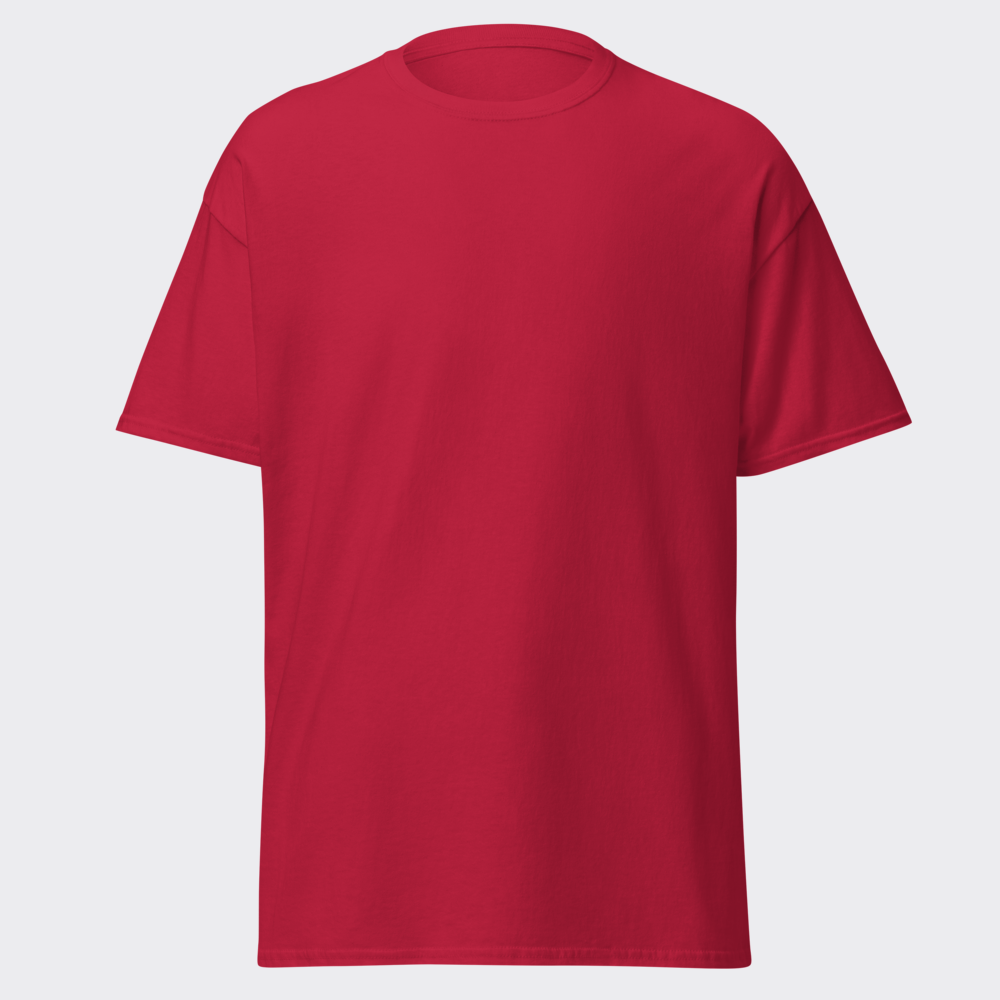

Design it right now
Classic Tee — with YOUR design on it
Upload art, type text, or let the AI design it — live preview, no minimums, from $24.99.
🎨 Put my design on this →
This design, ready to go
Get it on the Classic Tee — $24.99
Opens in the builder with this design placed — buy as-is, tweak the text, or swap the garment.
🛒 Customize & order this →Split eligible US orders into 4 interest-free payments with Shop Pay · No minimums · Ships in 5–9 days
Gildan 5000 · 100% cotton · 5.0–5.3 oz/yd² (170-180 g/m²) · blank sourced from Honduras · printed in the USA network · ships 5–9 days
Most clothing brands treat pricing like a magic trick. We'd rather show you the wires. Here is exactly what's inside the price of a made-to-order piece — using real numbers from our own catalog.
The anatomy of a $25 tee
Every made-to-order garment has five real costs:
- The blank — the unprinted garment itself. This is the single biggest variable: a budget cotton blank costs a few dollars; a garment-dyed heavyweight (Comfort Colors-class) costs several times that. When you pay more for a "premium" tee, this is overwhelmingly what you're paying for.
- Printing — direct-to-garment printing is priced per location. The front print is baked in; a back or sleeve print adds a few dollars because it's a second machine pass.
- Fulfillment — a human (and some very good robots) pulls the blank, prints it, quality-checks it, folds it and boxes it. On-demand fulfillment costs more per unit than a 10,000-piece factory run. That's the price of producing zero waste.
- Payment + platform — card processing and store infrastructure quietly take their cut of every order, a fact every honest brand should admit.
- Our margin — what's left. On most items it's a healthy-but-human percentage, not a luxury markup. We make it up on people coming back, not on any single shirt.
Why we don't play the $6-shirt game
You've seen "custom shirts $5.99!" ads. The trick is always in the fine print: 50-piece minimums, setup fees, screen charges, $40 shipping, bottom-tier mystery blanks. Divide the real total by the shirts you'll actually wear and the bargain evaporates. Our model is the opposite: the number on the product page is the number — no setup fees, no screen charges, no minimums. One shirt costs the listed price, delivered, full stop.
Why prices differ across the drop
Browse the Endless Summer collection and you'll see tees from $17 to $34 and hoodies into the $50s. Same designs, different blanks: a classic tee and a premium heavyweight carry the same art on very different fabric. We stock both tiers on purpose — events and one-offs deserve a budget option; everyday-rotation pieces deserve the good cotton.
Where the 10% comes from
Right now everything sitewide is 10% off, automatically — our alpha-launch discount while the free design studio is in early access. That comes straight out of our margin line, not from a fake "was $40" anchor price. When it ends, it ends honestly. And ordering for a group stacks its own discount: 20+ of the same item triggers automatic wholesale tiers, no sales call required.
The bottom line
A made-to-order shirt costs more to produce than a fast-fashion one because nothing is mass-guessed and nothing is burned. You're paying for exactly one garment, made because you asked for it — and now you know precisely what's inside that number. Full pricing is on every product page in the catalog, no login required.
Frequently asked questions
Why does a custom shirt cost more than a blank one?
You're paying for per-piece printing or embroidery on a real branded blank, with no minimum attached. The price on the product page is the whole price.
Do bigger orders get better pricing?
Yes — 20+ of the same item switches to automatic bulk pricing in the cart. No quote forms, no sales rep.
Are there setup or art fees?
No — no setup fees, no art fees, no minimums. Shipping shows at checkout before you commit.
What actually goes into the price of a print-on-demand shirt?
Four main buckets: the blank garment itself, the printing and fulfillment labor, payment and platform fees, and the margin that keeps the brand running. The blank is usually the largest single cost, which is why fabric quality is the most honest place to judge value. What made-to-order pricing does not include is the fast fashion tax, the cost of overproduced inventory that someone eventually has to eat.
What is a normal profit margin on custom apparel?
Industry benchmarks put healthy print-on-demand margins between roughly 20% and 40% after product cost, fulfillment, and fees, with 40% often cited as the standard target for apparel in 2026. That is far leaner than traditional retail fashion, where markups of several hundred percent are routine. Made-to-order brands accept thinner margins because they carry zero inventory risk, and that trade is what keeps single-piece orders viable.
Why don't made-to-order brands run 70% off sales like the mall does?
Deep clearance sales exist to liquidate inventory mistakes, and made-to-order brands do not make inventory mistakes because nothing is printed until it is sold. When a mall brand slashes a hoodie 70%, the original price was inflated to absorb exactly that markdown. On-demand pricing starts closer to the real cost, so there is less theater in the number you see, and no warehouse of regret behind it.
Does a more complex or colorful design cost more to print?
With direct-to-garment printing, no. DTG prints the whole design digitally in one pass, so a ten-color illustration costs the same as one-color text, unlike screen printing where every added color means another screen and another fee. That is why on-demand shops can offer full-color artwork at flat garment pricing, and why detailed AI-generated designs do not carry an upcharge.
Is a heavyweight tee really worth paying more for than a thin one?
Measured in cost per wear, almost always. A 5.0 to 5.3 oz heavyweight cotton tee with taped shoulders and double-needle hems holds its shape and survives years of washing, while thin promotional tees commonly twist, shrink, and fade within a season. Paying a few dollars more for double or triple the useful life is the cheaper decision, it just does not look that way at checkout.
Are there ways to pay for custom merch over time?
For eligible US orders, pay-in-4 through Shop Pay installments may be available at checkout, which splits the total into four payments instead of one. That matters most on larger orders like a group set or a hoodie bundle, where spreading the cost makes the order easier to say yes to. Availability shows automatically at checkout for orders that qualify.
Design it right now
Classic Tee — with YOUR design on it
Upload art, type text, or let the AI design it — live preview, no minimums, from $24.99.
🎨 Put my design on this →This design, ready to go
Get it on the Classic Tee — $24.99
Opens in the builder with this design placed — buy as-is, tweak the text, or swap the garment.
🛒 Customize & order this →Split eligible US orders into 4 interest-free payments with Shop Pay · No minimums · Ships in 5–9 days
Or start with the art: free AI design tool + all free tools →