 Your design here
Design it right now
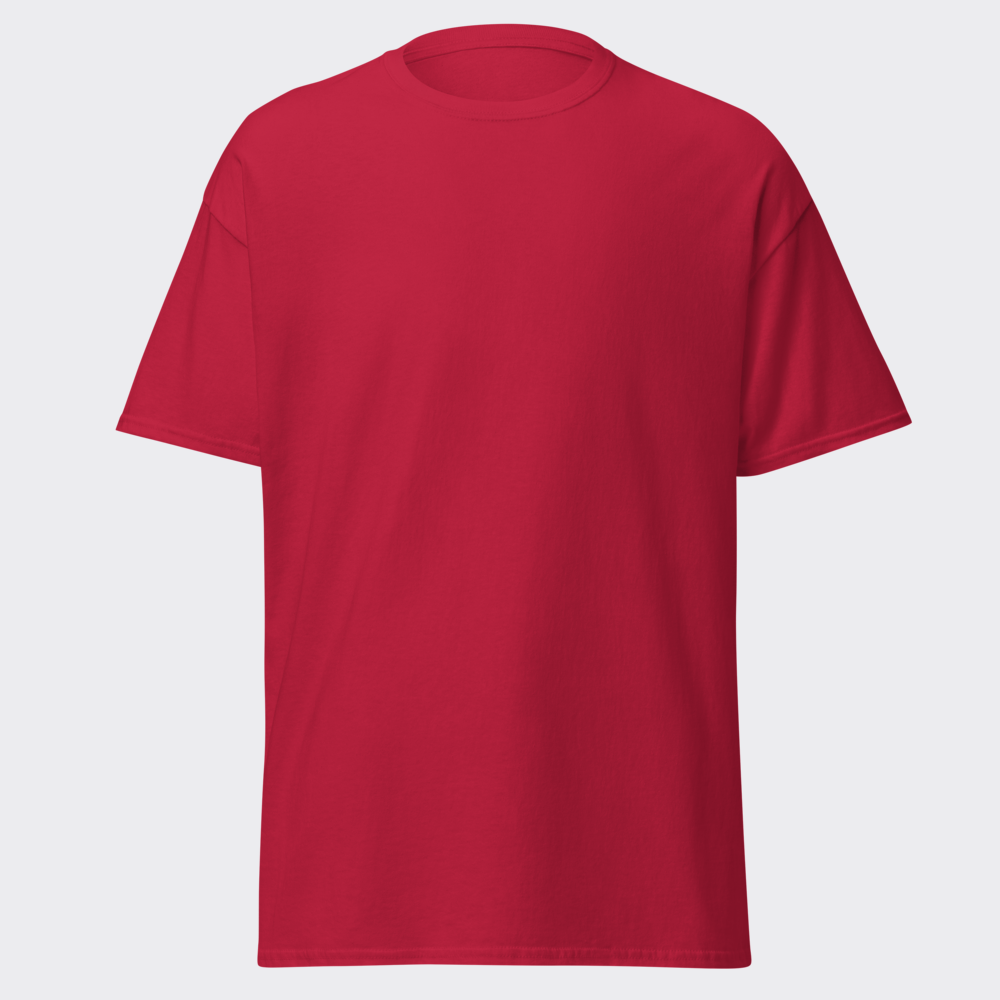
Classic Tee — with YOUR design on it
Upload art, type text, or let the AI design it — live preview, no minimums, pay over time, ships in 5–9 days.
Split eligible US orders into 4 interest-free payments with Shop Pay
🎨 Put my design on this →Gildan 5000 · 100% cotton · 5.0–5.3 oz/yd² (170-180 g/m²) · blank sourced from Honduras · printed in the USA network · ships 5–9 days
Launch by producing each piece when it sells, test several designs cheaply, kill the ones that do not work, and only consider private label manufacturing once a design has proven demand. Ready to start? white label apparel supply.
What does the first month actually look like?
Two or three designs, listed, with nothing produced. You order one of each for yourself to photograph worn, because flat mockups convert badly and a real photo is the single biggest difference between a brand that sells and one that does not. Then you let the market tell you which design is the one.
How do you know when to scale?
When one design consistently outsells the others without you pushing it. That is the signal worth acting on - not a good week, not friends buying, but sustained preference. Scale that design into the bulk tiers at twenty, fifty and two hundred, and leave the rest alone.
When should you move to private label?
Once volume is high enough that per-piece savings exceed the cost of capital tied up in a manufacturing run, and once you know precisely what to specify. Moving early means committing hundreds of units of a garment spec you are guessing at, which is the most common way a promising small brand runs out of money.
A realistic launch sequence
- Month 1 - list two or three designs, produce nothing, photograph pieces worn
- Month 2 - let the market pick. Kill what does not sell
- Month 3 - scale the winner into the bulk tiers
- Later - consider private label once volume justifies the capital
Is there really no minimum order?
None. One piece is a real order at normal pricing with no small-order surcharge. Traditional printers set minimums because screen printing and machine embroidery both carry a fixed per-job setup cost that has to be spread across enough pieces to be worth doing. Print-on-demand production has no per-job setup, so the reason for the minimum simply does not exist - which is why ordering one to check it before committing the budget is the standard advice here.
How does bulk pricing work?
It applies itself in the cart. Twenty or more of the same item takes 20% off, fifty takes 25%, and two hundred takes 30%. There is no quote form, no promo code and no sales call - the cart is the quote, so you can see the final per-piece number before anyone pays. Because these are print-on-demand costs rather than screen-printing setup, the discount is an honest reduction on the listed price instead of a marked-up retail figure being walked back.
Where to go next
Artwork, colours and placement stay on file, so a piece produced a year later matches the original. See the white label versus private label comparison.
See the merch in real life
Real garments, printed and embroidered to order.
Frequently asked questions
Can I start a clothing brand without buying inventory?
Yes. Produce each piece when it sells and let demand tell you which design to scale.
How many designs should I launch with?
Two or three. More splits attention and none of them get a fair test.
When should I scale a design?
When one consistently outsells the others without being pushed.
When should I move to private label?
Once volume makes per-piece savings exceed the cost of tied-up capital, and you know exactly what to specify.
Is there a minimum?
No minimum. List first, produce on order.
Will reorders match?
Yes. Artwork, colours and placement stay on file.
Or start with the art: free AI design tool + all free tools →