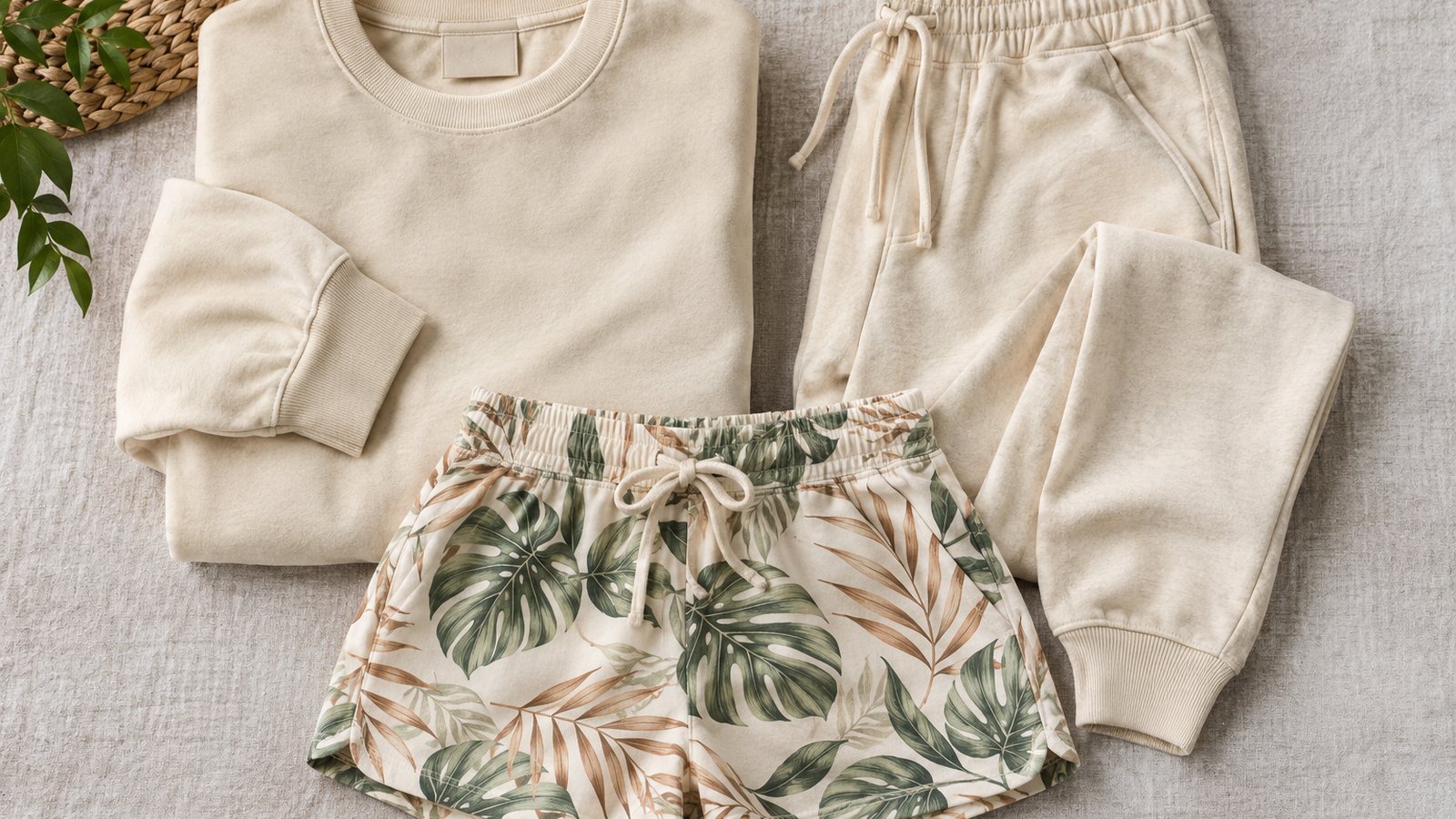
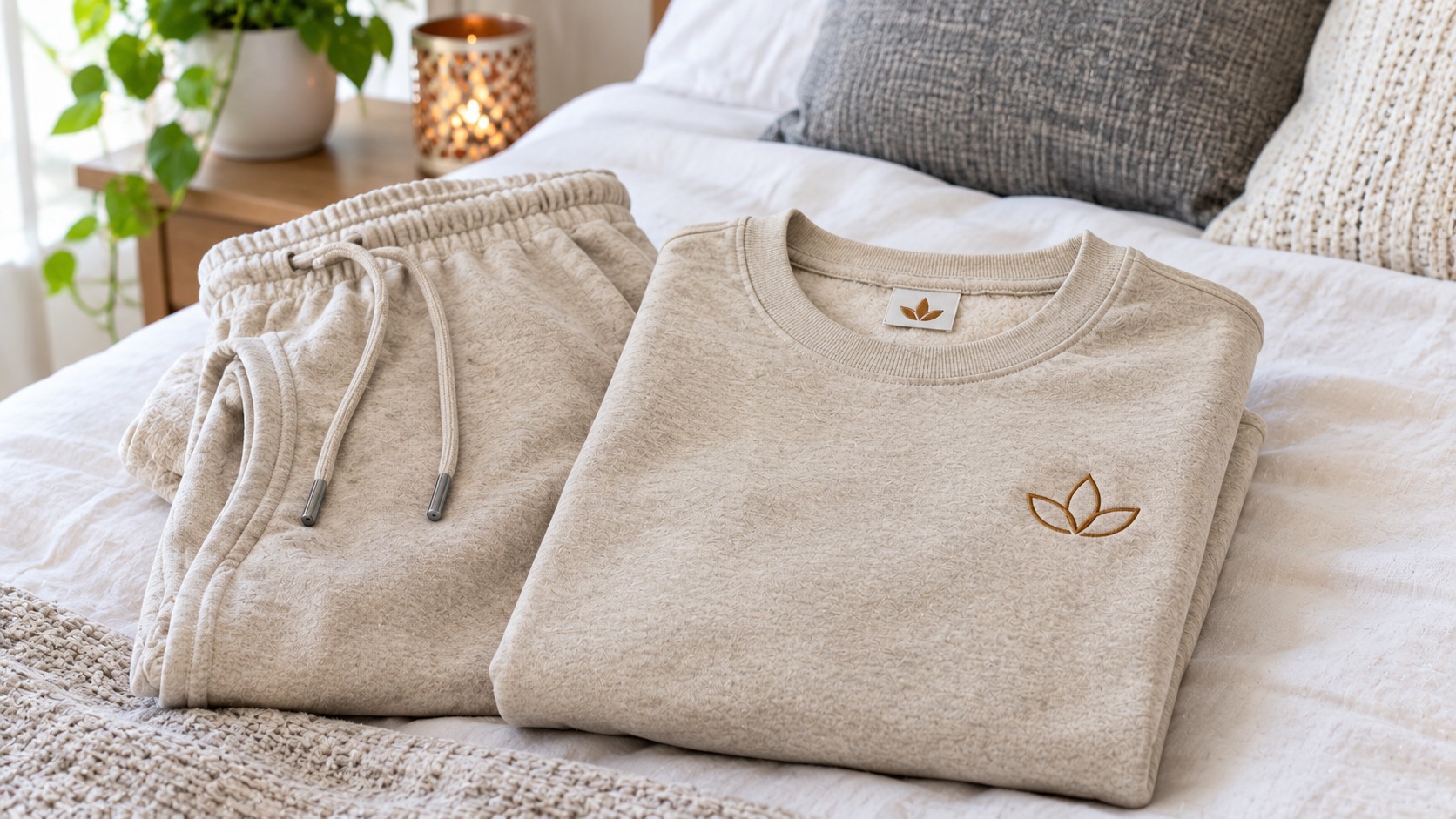
White label means selling an existing product under your own brand, while private label usually means a manufacturer producing to your specification - and the practical difference for a small brand is the minimum order. Ready to start? white label apparel supply.
What does white label actually cover?
Your design on an existing quality blank, inside-tag options depending on order size, and orders shipped direct to your customer with no supplier marketing in the box. The customer's entire experience is with your brand. What it does not cover is designing the garment itself - the blank is an existing product.
What does private label add, and what does it cost?
Control over the garment: your own cut, fabric, construction and labelling. That is genuinely valuable at scale and it comes with manufacturer minimums that typically start in the hundreds per style per colourway, plus lead times measured in months and payment up front. For a brand that has not yet proven demand, that is a large bet on a guess.
Which should a new brand choose?
White label first, almost always. Prove the design sells before financing a production run of it. With no minimum you can launch, test several designs, kill the ones that do not work and scale the ones that do - then move to private label once volume justifies the commitment and you know exactly what to specify.
The honest comparison
- White label - your brand on an existing blank. No minimum, launch this week
- Private label - your own garment spec. Hundreds of units minimum, months of lead time
- White label risk - less control over the blank itself
- Private label risk - capital committed before demand is proven
Is there really no minimum order?
None. One piece is a real order at normal pricing with no small-order surcharge. Traditional printers set minimums because screen printing and machine embroidery both carry a fixed per-job setup cost that has to be spread across enough pieces to be worth doing. Print-on-demand production has no per-job setup, so the reason for the minimum simply does not exist - which is why ordering one to check it before committing the budget is the standard advice here.
How long does it take to arrive?
Every order is made to order and ships in five to nine business days, and that window covers a single piece and a two-hundred-piece run alike - there is no separate multi-week queue for larger orders. For an event, order about two weeks ahead so there is room to check the first piece and distribute sizes.
Where to go next
Artwork, colours and placement stay on file permanently, so a piece produced a year later matches the original - which is what makes white label viable long term. See how direct fulfillment fits.
See the merch in real life
Real garments, printed and embroidered to order.
Good to know
Frequently asked questions
What is the difference between white label and private label?
White label puts your brand on an existing blank. Private label means a manufacturer produces to your own garment specification, usually with hundreds of units minimum. Ready to see yours? Build it here.
Which should a new brand choose?
White label first. Prove the design sells before financing a production run. Play with the builder here and see your idea on a shirt.
Is there a minimum to launch white label?
No minimum. List first, produce on order, scale into the published tiers when demand is real. Make your custom shirt here.
Will there be supplier branding in the package?
No flyers, no coupons, no third-party branding. Want to see it first? Try the shirt builder here.
Will reorders match the first run?
Yes. Artwork, colours and placement stay on file permanently. Open the builder and try your idea on a shirt.
What are the bulk tiers?
5% off at 25+, 7% at 50+, 9% at 100+, 11% at 200+, 13% at 300+ and 16% at 500+. When you are ready, start your shirt here.
Or start with the art: design it in our custom builder → · free AI t-shirt design generator
Keep reading
More from the journal