 Your design here
Design it right now
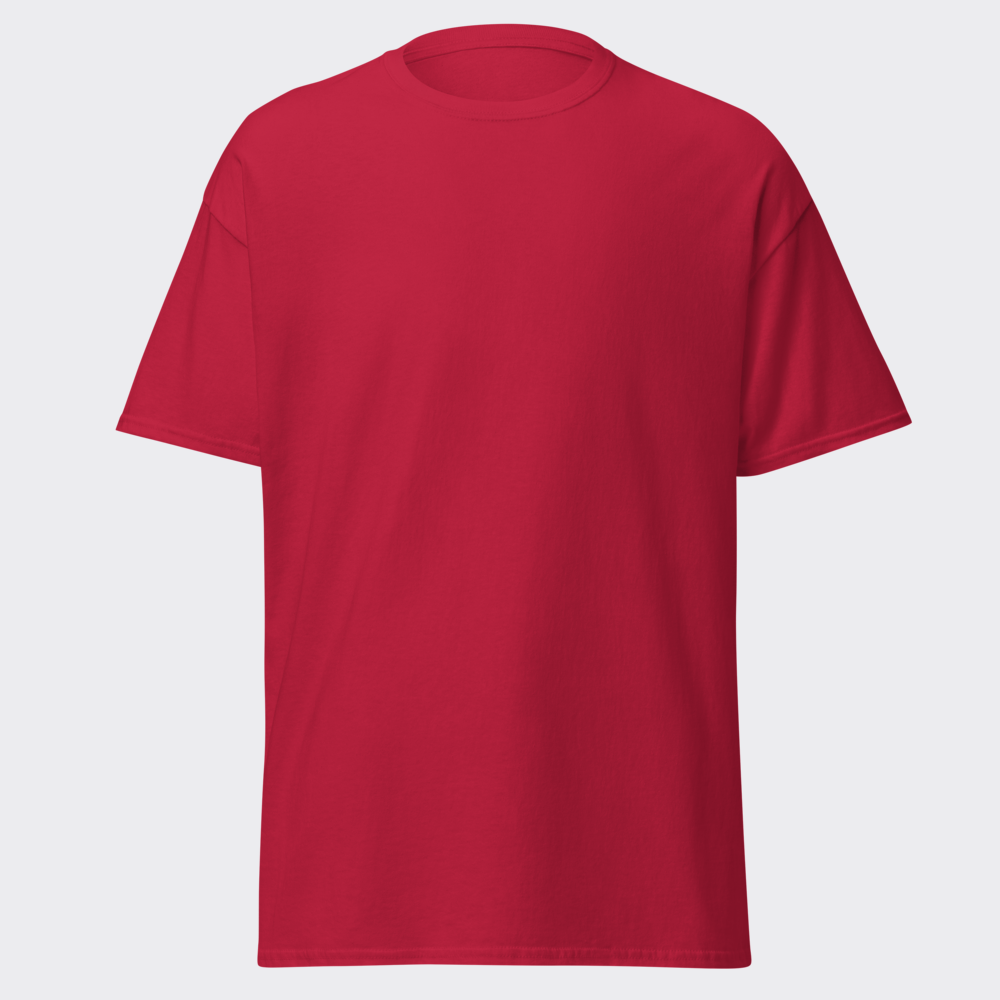
Classic Tee — with YOUR design on it
Upload art, type text, or let the AI design it — live preview, no minimums, pay over time, ships in 5–9 days.
Split eligible US orders into 4 interest-free payments with Shop Pay
🎨 Put my design on this →Gildan 5000 · 100% cotton · 5.0–5.3 oz/yd² (170-180 g/m²) · blank sourced from Honduras · printed in the USA network · ships 5–9 days
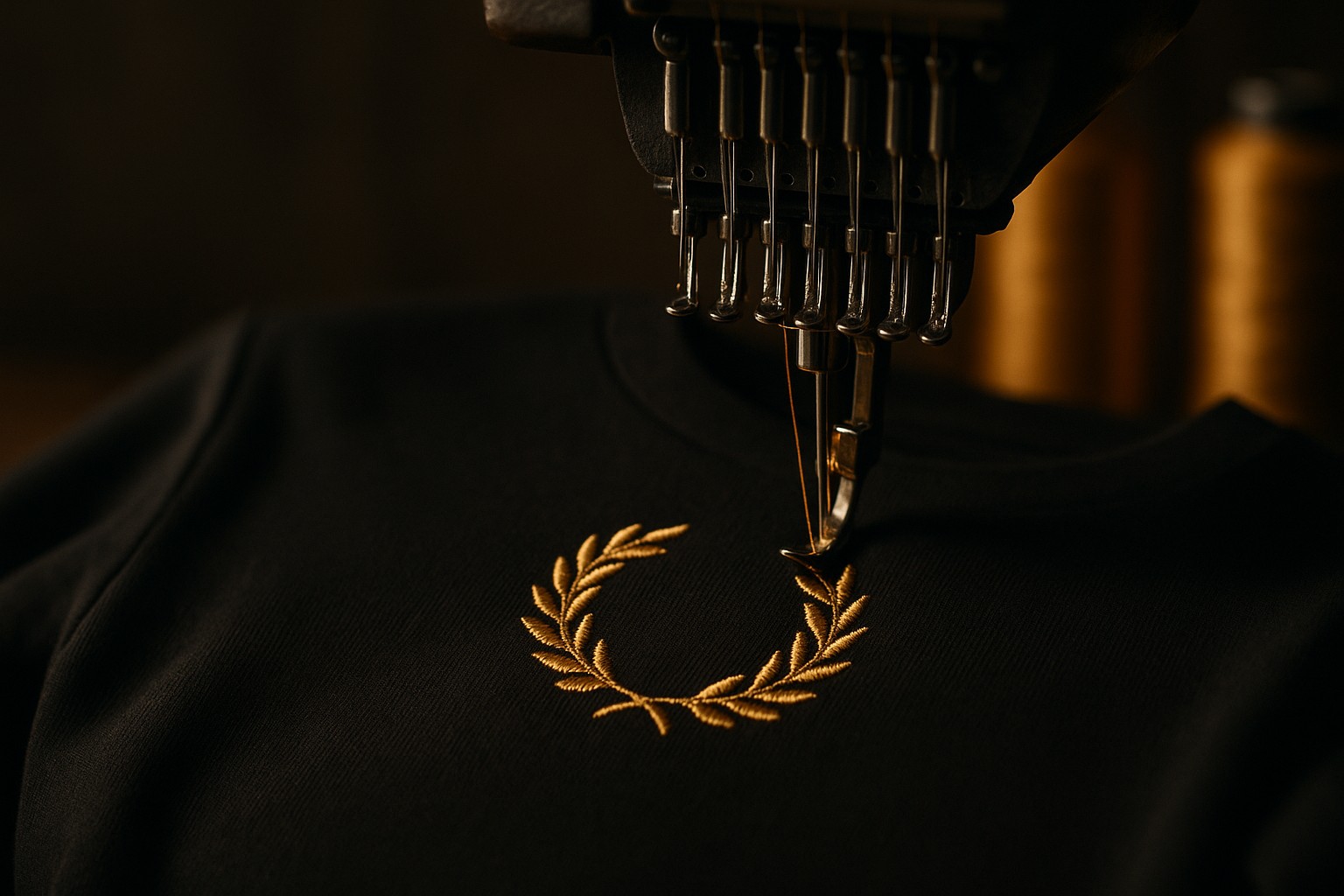
Embroidery vs print on work gear comes down to one rule of thumb: embroider the logo on anything that gets washed hard and worn every day, and print anything large. A stitched chest logo on a polo or a cap will outlast the garment. A big back logo, a full-color graphic or a phone number across the shoulders is print work. The details depend on the garment and on the job, so here is the breakdown. Both methods are available here: custom embroidery and embroidered work shirts.
How each logo method wears out on work gear
Every decoration method has a way it fails. Knowing which one your crew will run into is most of the decision.
Prints wear by fading and, on heavy coverage, by cracking. Hot washes, bleach and harsh detergents fade ink over time. Large solid areas of print on a stretchy garment can crack where the fabric flexes most. Most made-to-order prints today are printed directly into the fabric, so they stay soft and wear gradually, fading slowly over many washes.
Embroidery wears by snagging and puckering. Thread can catch on tool belts, hook-and-loop fasteners and rough surfaces. A very dense logo on thin fabric can pucker. On the other hand, thread sewn through fabric has no bond to break, so it does not crack or peel, and the colors hold up well in hot washes.
Embroidery vs print by garment
- Polos: embroider. The polo is the most-washed work garment and a stitched logo is what people expect on one.
- Caps and beanies: embroider, almost always. Print does not sit well on a structured cap panel. See hat embroidery size.
- Quarter-zips and jackets: embroider. They last for years, so the logo should too.
- T-shirts: either. A small embroidered chest logo looks sharper; a printed chest and back is cheaper and lighter in summer.
- Hoodies: embroider a chest-only logo; print if you want a big back logo.
- Sweatpants and shorts: either, kept small on the thigh.
Embroidery vs print by job
HVAC, plumbing and electrical. Attics, crawl spaces, grease and grime, and shirts that get washed hot. Embroider the front of polos and caps. For hoodies and tees where the company name needs to be readable on a tech's back, print. Our guide to custom hoodies for HVAC companies shows a full printed layout.
Restaurants and kitchens. Heat, grease and constant washing. Embroider aprons and polos. More in restaurant uniforms that survive the wash.
Offices, law firms and real estate. The work is light and the look matters most. Embroider. See embroidered polos for law firms.
Delivery and install crews. The customer needs to read the company name from a doorway, so print large on the back and embroider or print the chest.
Events and volunteers. A shirt worn for one weekend does not need embroidery. Print it.
Can one garment have both embroidery and print?
On our made-to-order line, each garment uses one method across all its placements. If you want a stitched chest logo and a big printed back, choose which matters more for that garment. Many crews split it across garments instead: embroidered polos for the daily uniform and printed tees or hoodies for the back billboard. That combination also spreads the budget, since embroidery is typically the higher-cost method per piece. Our embroidery vs print cost comparison over a year runs the numbers.
Artwork rules for each method
For embroidery: keep text at least a quarter inch tall, keep thread colors to six or fewer, and avoid gradients and hairline details. Thread has width, and detail smaller than that width fills in. Logos with open shapes stitch better than solid blocks. There is no digitizing fee, so getting a logo ready for thread does not become a separate bill.
For print: send the largest, sharpest file you have. Photographic detail, gradients and many colors are fine. Fine lines print cleanly as long as the file is high resolution at the printed size.
Flat embroidery and 3D puff each have their place. See 3D puff vs flat embroidery.
Thread color, ink color and the work gear underneath
Whichever method you choose, contrast decides whether the logo gets read. On navy, black and charcoal work gear, white, gold, light grey and bright brand colors stand out. On grey and khaki, go darker: navy, black or a deep brand color. Check the logo from six feet away in daylight before you order the crew. A logo that disappears into the fabric is a branding problem no matter how long it lasts. Our post on choosing the garment color covers this in detail.
Wash care that makes either method last
- Wash cold or warm, inside out
- Skip bleach on printed garments
- Skip fabric softener on performance fabrics
- Tumble dry low or hang dry
- Never iron directly on a print or on embroidery
If your crew uses a commercial laundry service, tell us. It pushes the decision further toward embroidery.
Test both before you decide
If you are unsure, order one embroidered and one printed version of the same garment, wear both for a couple of weeks and wash them the same way. The answer is usually obvious by the third wash. For the general comparison, see embroidery vs printing: which lasts longer.
Is there really no minimum?
None. One piece is a real order at normal pricing, with no small-order surcharge and no setup or digitizing fee. Every piece is made to order and ships in about 5 to 9 business days, and that window is the same for one piece or a few hundred. On eligible garments, volume pricing applies automatically once you order enough of the same item, usually starting around 25 pieces.
See the merch in real life
Real garments, printed and embroidered to order.
Frequently asked questions
Does embroidery last longer than print on work shirts?
On garments washed hard and worn daily, yes. Thread does not crack or peel, and its color holds up in hot washes.
When is print the better choice for work gear?
For large logos, back prints, full-color graphics and event shirts. A big company name on the back of a hoodie or tee is print work.
Can I have embroidery and print on the same garment?
On our made-to-order line each garment uses one method. Many crews embroider polos and print tees or hoodies to get both.
How does a printed logo fail?
It fades over many hot washes and with bleach, and large solid print areas can crack where the fabric flexes.
How does embroidery fail?
It can snag on tools and hook-and-loop fasteners, and very dense logos can pucker on thin fabric.
What is the smallest text that can be embroidered?
About a quarter inch tall. Smaller letters fill in because thread has physical width.
Pay-in-4 may be available for eligible US orders at checkout.
Or start with the art: free AI design tool + all free tools →